Introduction
Stress is a natural response that helps us deal with challenges, but when it becomes chronic, it can harm both the mind and body. One of the main culprits behind this is cortisol, often called the “stress hormone.” Learning how to reduce stress hormones is essential for improving your overall health, boosting mood, and increasing longevity.
In this guide, we’ll explore science-backed methods to lower stress hormones naturally. These techniques are simple, effective, and easy to incorporate into your daily routine.
Understanding Stress Hormones and Their Impact
What Are Stress Hormones?
Stress hormones are chemicals released by the body during stressful situations. The most important ones include:
- Cortisol – regulates metabolism and stress response
- Adrenaline (epinephrine) – triggers the “fight or flight” response
- Norepinephrine – increases alertness and focus
Why High Stress Hormones Are Harmful
When stress hormones remain elevated for long periods, they can lead to:
- Anxiety and depression
- Poor sleep quality
- Weight gain
- High blood pressure
- Weakened immune system
1. Prioritize Quality Sleep

Sleep is one of the most powerful ways to regulate stress hormones.
How Sleep Affects Cortisol
Cortisol levels naturally drop at night and rise in the morning. Poor sleep disrupts this cycle, causing consistently high levels.
Tips for Better Sleep
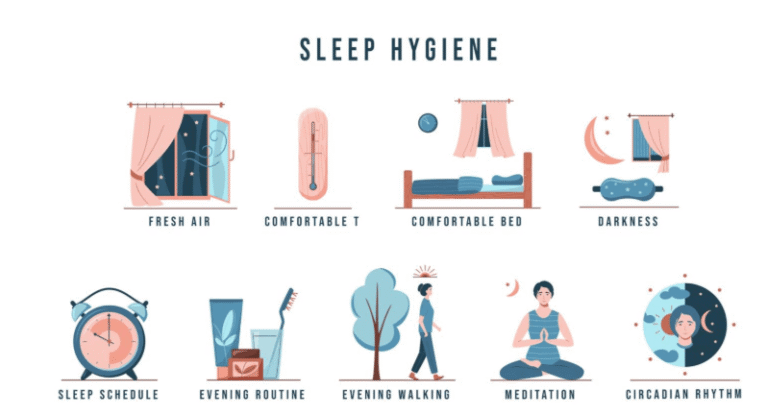
- Maintain a consistent sleep schedule
- Avoid screens 1 hour before bed
- Keep your bedroom cool and dark
- Limit caffeine in the evening
2. Exercise Regularly (But Don’t Overdo It)

Physical activity helps regulate hormone levels effectively.
Best Types of Exercise for Stress Reduction
- Walking or jogging
- Yoga and stretching
- Strength training (moderate intensity)
- Swimming or cycling
Important Note
Excessive intense exercise can actually increase cortisol, so balance is key.
3. Practice Mindfulness and Meditation

Mindfulness techniques are highly effective in lowering stress hormones.
Benefits of Meditation
- Reduces cortisol levels
- Improves emotional regulation
- Enhances focus and clarity
Simple Practices to Start
- Deep breathing exercises (5–10 minutes daily)
- Guided meditation apps
- Journaling thoughts and feelings
4. Eat a Balanced, Nutrient-Rich Diet

What you eat directly affects your stress response.
Foods That Help Lower Stress Hormones
- Omega-3 rich foods (salmon, walnuts)
- Dark chocolate (in moderation)
- Leafy greens
- Whole grains
Foods to Avoid
- Excess sugar
- Processed foods
- High caffeine intake
5. Build Strong Social Connections

Human connection plays a powerful role in stress reduction.
Why Social Support Matters
Positive interactions release oxytocin, which helps counteract cortisol.
Ways to Strengthen Relationships
- Spend time with loved ones
- Join community groups
- Talk openly about your feelings
6. Manage Your Time Effectively
Poor time management is a major stress trigger.
Practical Time Management Tips
- Use a daily planner
- Break tasks into smaller steps
- Prioritize important tasks
- Avoid multitasking
This reduces overwhelm and keeps stress hormones in check.
7. Spend Time in Nature

Nature has a calming effect on the brain and body.
Benefits of Nature Exposure
- Lowers cortisol levels
- Improves mood
- Enhances mental clarity
Even a 20-minute walk outdoors can make a noticeable difference.
8. Limit Stimulants and Alcohol
Certain substances can increase stress hormones.
What to Watch Out For
- Excess caffeine
- Energy drinks
- Alcohol (especially in large amounts)
Reducing intake helps stabilize your body’s stress response.
9. Try Relaxation Techniques
Relaxation methods directly calm the nervous system.
Effective Techniques
- Progressive muscle relaxation
- Aromatherapy (lavender oil)
- Listening to calming music
These methods signal your body to reduce cortisol production.
10. Maintain a Positive Mindset
Your thoughts influence your body more than you think.
Ways to Cultivate Positivity
- Practice gratitude daily
- Reframe negative thoughts
- Focus on solutions instead of problems
A positive outlook reduces stress hormone release over time.
Conclusion
Learning how to reduce stress hormones is essential for living a healthier, more balanced life. By focusing on sleep, exercise, nutrition, mindfulness, and social connections, you can naturally lower cortisol levels and improve your overall well-being.
Remember, small consistent changes lead to big results. Start with one or two habits and gradually build a stress-free lifestyle.
FAQs
1. What is the fastest way to reduce stress hormones?
Deep breathing and short meditation sessions can quickly lower cortisol levels within minutes.
2. Can diet really affect stress hormones?
Yes, nutrient-rich foods help regulate hormone production, while processed foods can increase stress levels.
3. How long does it take to lower cortisol levels?
It varies, but lifestyle changes can show noticeable improvements within a few weeks.
4. Does caffeine increase stress hormones?
Yes, excessive caffeine can raise cortisol and adrenaline levels, especially in sensitive individuals.
5. Is exercise always good for reducing stress?
Moderate exercise helps, but overtraining can increase stress hormones, so balance is important.