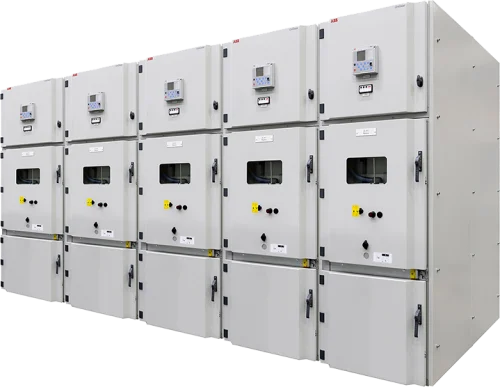
Industrial power systems demand high levels of safety, reliability, and durability. From manufacturing plants to oil refineries and heavy processing units, electrical infrastructure must operate continuously under challenging conditions. This is where metal enclosed switchgear plays a critical role. Designed to house and protect vital electrical components, this type of switchgear ensures safe operation, minimizes risks, and enhances system performance in industrial environments.
As industries become more automated and power-dependent, the demand for robust and efficient enclosed switchgear solutions continues to grow. This guide provides a comprehensive overview of medium voltage metal enclosed switchgear, its components, benefits, applications, and why it is essential for modern industrial operations.
What Is Metal Enclosed Switchgear?
Metal enclosed switchgear refers to a type of electrical switchgear where all components—such as circuit breakers, busbars, and protective devices—are housed within a grounded metal enclosure. This enclosure acts as a protective barrier, shielding internal components from external elements while preventing accidental contact with live parts.
Unlike open switchgear systems, enclosed switchgear is specifically designed to operate safely in environments where dust, moisture, chemicals, and mechanical impacts are common. It is widely used in medium voltage applications, typically ranging from 1 kV to 52 kV.
Understanding Medium Voltage Metal Enclosed Switchgear
Medium voltage metal enclosed switchgear is engineered for power distribution systems that operate within the medium voltage range. It serves as a central hub for controlling, protecting, and isolating electrical circuits in industrial facilities.
This type of switchgear is designed to:
- Handle high electrical loads
- Provide fault protection
- Ensure safe operation for personnel
- Maintain system stability
The metal enclosure not only enhances safety but also improves the longevity of the equipment by protecting it from environmental damage.
Key Components of Metal Enclosed Switchgear
A typical metal enclosed switchgear system consists of several essential components working together to ensure efficient and safe operation.
Circuit Breakers
Circuit breakers are responsible for interrupting electrical flow during faults such as short circuits or overloads. They act as the first line of defense in protecting the system.
Busbars
Busbars are conductive bars that distribute electricity within the switchgear. They connect incoming and outgoing circuits, enabling efficient power flow.
Disconnect Switches
Disconnect switches allow operators to isolate specific sections of the system for maintenance or repair. They ensure that circuits are completely de-energized before work begins.
Protective Relays
Protective relays monitor electrical parameters and detect abnormalities. When a fault is detected, they trigger circuit breakers to disconnect the affected section.
Instrument Transformers
These devices measure voltage and current levels, providing accurate data for monitoring and control systems.
Metal Enclosure
The defining feature of enclosed switchgear is its metal casing. This enclosure:
- Protects components from environmental hazards
- Prevents accidental contact with live parts
- Contains electrical arcs in case of faults
Types of Metal Enclosed Switchgear
There are different configurations of medium voltage metal enclosed switchgear, each suited for specific industrial applications.
Metal-Clad Switchgear
Metal-clad switchgear features compartmentalized sections separated by grounded metal barriers. Each component is isolated, enhancing safety and ease of maintenance.
Non-Segregated Phase Switchgear
In this design, phases are not separated by barriers. While it is more compact and cost-effective, it offers less protection compared to metal-clad systems.
Gas-Insulated Metal Enclosed Switchgear
This type uses insulating gas within the enclosure to enhance performance and reduce space requirements. It is ideal for installations where space is limited.
Benefits of Metal Enclosed Switchgear in Industrial Applications
The widespread use of metal enclosed switchgear in industrial environments is driven by its numerous advantages.
Enhanced Safety
Safety is a top priority in industrial settings. The metal enclosure prevents direct contact with live electrical components, reducing the risk of electrical accidents.
Additionally, in the event of an internal fault, the enclosure helps contain arcs and prevents them from spreading, protecting both equipment and personnel.
Protection Against Environmental Factors
Industrial environments often expose electrical systems to harsh conditions such as:
- Dust and debris
- Moisture and humidity
- Chemical exposure
- Temperature fluctuations
Enclosed switchgear shields internal components from these elements, ensuring consistent performance and reducing the risk of damage.
Improved Reliability
By protecting components from external factors and minimizing the impact of faults, medium voltage metal enclosed switchgear enhances system reliability. This is critical for industries where downtime can lead to significant financial losses.
Compact and Organized Design
Metal enclosed systems offer a compact and structured layout, making them easier to install and manage. This is particularly beneficial in facilities with limited space.
Reduced Maintenance Requirements
The protective enclosure reduces wear and tear on components, leading to lower maintenance needs. This translates into cost savings and improved operational efficiency.
See also: The Future of Mobile Technology
Applications in Industrial Environments
Metal enclosed switchgear is widely used across various industrial sectors due to its durability and reliability.
Manufacturing Plants
Manufacturing facilities rely on continuous power to operate machinery and production lines. Enclosed switchgear ensures stable power distribution and protects equipment from electrical faults.
Oil and Gas Industry
In oil refineries and petrochemical plants, electrical systems are exposed to hazardous conditions. Medium voltage metal enclosed switchgear provides the necessary protection to operate safely in such environments.
Mining Operations
Mining sites often have challenging conditions, including dust, vibration, and extreme temperatures. Metal enclosed systems are designed to withstand these conditions while maintaining performance.
Power Generation Facilities
Power plants use enclosed switchgear to manage electricity generation and distribution. It plays a key role in maintaining system stability and preventing disruptions.
Data Centers and Infrastructure
Critical infrastructure such as data centers requires uninterrupted power supply. Metal enclosed switchgear ensures reliability and protects sensitive equipment from electrical issues.
Installation and Design Considerations
Proper installation and design are essential for maximizing the performance of medium voltage metal enclosed switchgear.
Site Conditions
Understanding the environment where the switchgear will be installed is crucial. Factors such as temperature, humidity, and exposure to contaminants must be considered.
Load Requirements
The system should be designed to handle current and future load demands. This ensures scalability and prevents overloading.
Ventilation and Cooling
Although the enclosure provides protection, proper ventilation is necessary to prevent overheating. Cooling systems should be integrated based on the operational requirements.
Compliance with Standards
Switchgear must meet industry standards and regulations to ensure safety and performance. Compliance guarantees reliability and reduces risks.
Maintenance of Metal Enclosed Switchgear
While enclosed switchgear requires less maintenance than open systems, regular inspection and servicing are still important.
Routine Inspections
Periodic checks help identify potential issues before they become major problems. This includes inspecting connections, insulation, and protective devices.
Cleaning and Environmental Control
Keeping the enclosure clean and free from contaminants ensures optimal performance. Environmental control measures can further enhance reliability.
Testing and Calibration
Protective relays and circuit breakers should be tested regularly to ensure they function correctly during faults.
Challenges and Considerations
Despite its advantages, there are some challenges associated with metal enclosed switchgear.
- Higher initial cost compared to open systems
- Requires proper installation and expertise
- Limited accessibility due to enclosed design
However, these challenges are often outweighed by the long-term benefits in safety and reliability.
Future Trends in Metal Enclosed Switchgear
The evolution of medium voltage metal enclosed switchgear is driven by technological advancements and changing industry needs.
Key trends include:
- Integration of smart monitoring systems
- Development of eco-friendly materials
- Enhanced arc-resistant designs
- Modular and scalable configurations
These innovations are making switchgear more efficient, safer, and adaptable to modern industrial requirements.
Conclusion
Metal enclosed switchgear is a vital component of industrial power systems, providing a safe, reliable, and efficient solution for managing electricity. Its ability to protect internal components from environmental damage while enhancing safety makes it indispensable in demanding industrial environments.
From manufacturing plants to energy facilities, medium voltage metal enclosed switchgear ensures uninterrupted operations and minimizes risks. By combining robust design with advanced technology, it supports the growing demands of modern industries.
As industrial systems continue to evolve, the importance of durable and efficient enclosed switchgear will only increase. Investing in the right switchgear solution is not just about meeting current needs—it is about building a resilient and future-ready electrical infrastructure.