
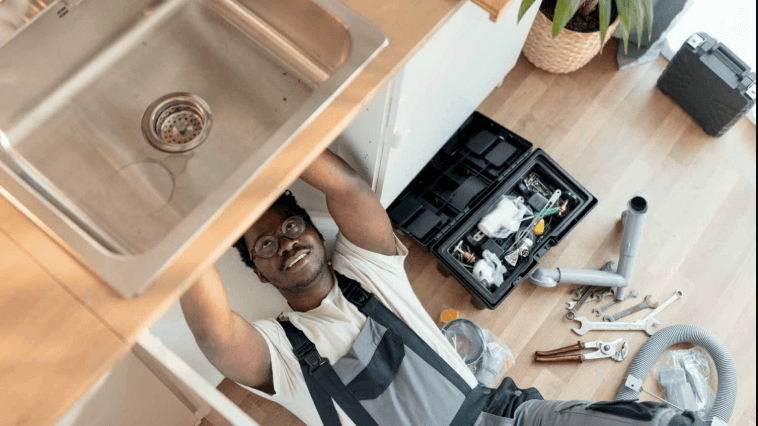
Costs for common plumbing repairs follow predictable patterns based on issue type, location, and parts. Labor and materials are itemized, with possible add-ons for emergency calls or diagnostics. Typical ranges reflect access, complexity, and warranty scope. Transparency in scope reduces confusion and helps budgeting. Homeowners can compare upfront pricing and material grades to balance reliability with cost. The next steps reveal how each repair category breaks down and what to expect for planning.
How Much Do Common Repairs Cost? A Quick Overview
Common plumbing repairs vary by issue but follow a predictable cost pattern. This overview presents labeled, data-driven estimates to aid decision-making. Typical ranges identify service level, parts, and labor without speculation. Hidden costs may arise from access, complexity, or diagnosis. Emergency fees can apply outside standard hours. Purposeful budgeting benefits freedom, transparency, and faster, informed responses to common failures.
What Factors Drive Plumbing Repair Prices
Factors driving plumbing repair prices include issue type, system location, and required parts. This snapshot catalogs drivers as discrete signals: issue complexity, accessibility, emergency status, material quality, and regional labor rates. Unrelated topic pricing myths persist, skewing expectations. Data suggests variance tied to fixture type and safety code requirements; transparency around scopes reduces confusion and enhances informed budgeting for residential projects.
Breakdown by Common Fix: Labor, Parts, and Typical Ranges
This breakdown presents labor, parts, and typical ranges by common fix, enabling clear budgeting for residential plumbing repairs. The idea one framing guides itemized estimates, distinguishing labor hours from material costs and replacement parts.
Discussion two highlights variability across scenarios, while maintaining transparency. Topic unrelated costs are noted as potential ancillary charges, ensuring a concise, data-driven budgeting framework for homeowners seeking freedom.
How to Save Without Sacrificing Quality on Plumbing Repairs
Homeowners can stretch budget without compromising results by pairing cost-conscious planning with disciplined selection of materials and service options, building on the prior breakdown of labor, parts, and typical ranges.
This subtopic relevance emphasizes efficiency, reliability, and value.
Two word discussion ideas: cost-effectiveness, material-grade.
Practical guidance labels: upfront pricing, comparison metrics, warranty scope, technician competence.
End result: sustainable savings without sacrificing quality.
See also: The Future of Mobile Technology
Frequently Asked Questions
Do Warranties Cover All Plumbing Repairs?
A warranty does not cover all plumbing repairs; exclusion details vary. Warranty exclusions limit repair coverage, often excluding routine maintenance, pre-existing conditions, and improper installations, while some components may be covered. Consumers should review specific policy terms for clarity.
How Long Does a Typical Repair Take?
Typical plumbing repairs take a few hours to a day, depending on scope and access. Two word ideas: diagnostic efficiency, timeline clarity. Data-driven, label-focused assessment emphasizes scheduling, labor, parts, permits, and contingency, enabling a freedom-seeking audience to plan accordingly.
Can I DIY Minor Fixes Safely?
“Word to the wise”—a cautionary note begins. He can attempt minor fixes, but follows strict safety protocols; DIY is feasible only for non-pressurized fixtures, with documented steps, protective gear, and explicit limits to avoid hazards.
Are Emergency Repairs Priced Differently?
Emergency pricing applies to urgent work, reflecting response time, material costs, and overtime. Providers cite higher hourly rates and trip charges for immediate dispatch, while standard rates resume after stabilization. Data-driven summaries emphasize surge fees and scheduled-service options.
Should I Request Written Estimates Only?
Yes, written estimates are advisable. Coincidentally, transparency aligns with leak detection data and pipe insulation metrics. The approach prioritizes labeled, quantified costs, enabling freedom-minded decisions and apples-to-apples comparisons for informed, methodical selections.
Conclusion
Conclusion: Plumbing repair costs follow a predictable pattern driven by issue type, location, and parts. Itemized estimates separate labor and materials, with clear ranges reflecting diagnostic time, access, and material grade. Ancillary or emergency charges may apply. By focusing on upfront pricing, warranty scope, and data-driven budgeting, homeowners can plan effectively while safeguarding quality. A transparent estimate is like a roadmap, guiding decisions with confidence and reducing surprises along the way. It feels as precise as a compass.